
Expert Mobility Support for Active Recovery
Discover evidence-based approaches to rehabilitation, strengthening, and sustainable mobility improvement guided by qualified specialists.
Core Rehabilitation Principles
Evidence-Based Approach
Our rehabilitation guidance is rooted in scientific research and proven therapeutic methods. We emphasize personalized assessment and adaptation to each individual's unique needs and recovery timeline.
Safe Movement Practices
We prioritize the biomechanics of movement and safe exercise protocols. Proper technique prevents secondary injury and optimizes the effectiveness of therapeutic exercises and stretching routines.
Qualified Specialist Guidance
Access insights from experienced rehabilitation experts and physical therapists. Expert consultation ensures comprehensive evaluation, proper assessment, and tailored guidance for your recovery journey.
Core Strengthening Programs
Therapeutic exercises and kinesiotherapy target muscle tone development and core stability. Remedial gymnastics and joint gymnastics improve flexibility, balance, and coordination for better daily function.
Prevention & Adaptation
Learn strategies for injury prevention and adaptation to mobility challenges. Our guidance helps reduce discomfort, manage muscle spasm relief, and develop healthy postural habits for long-term wellness.
Continuous Improvement
Rehabilitation is a progressive journey requiring consistency and adjustment. Our comprehensive approach supports gradual strengthening, enhanced joint mobility, and sustained recovery through guided movement protocols.
Why Choose Mobilityrehabhints
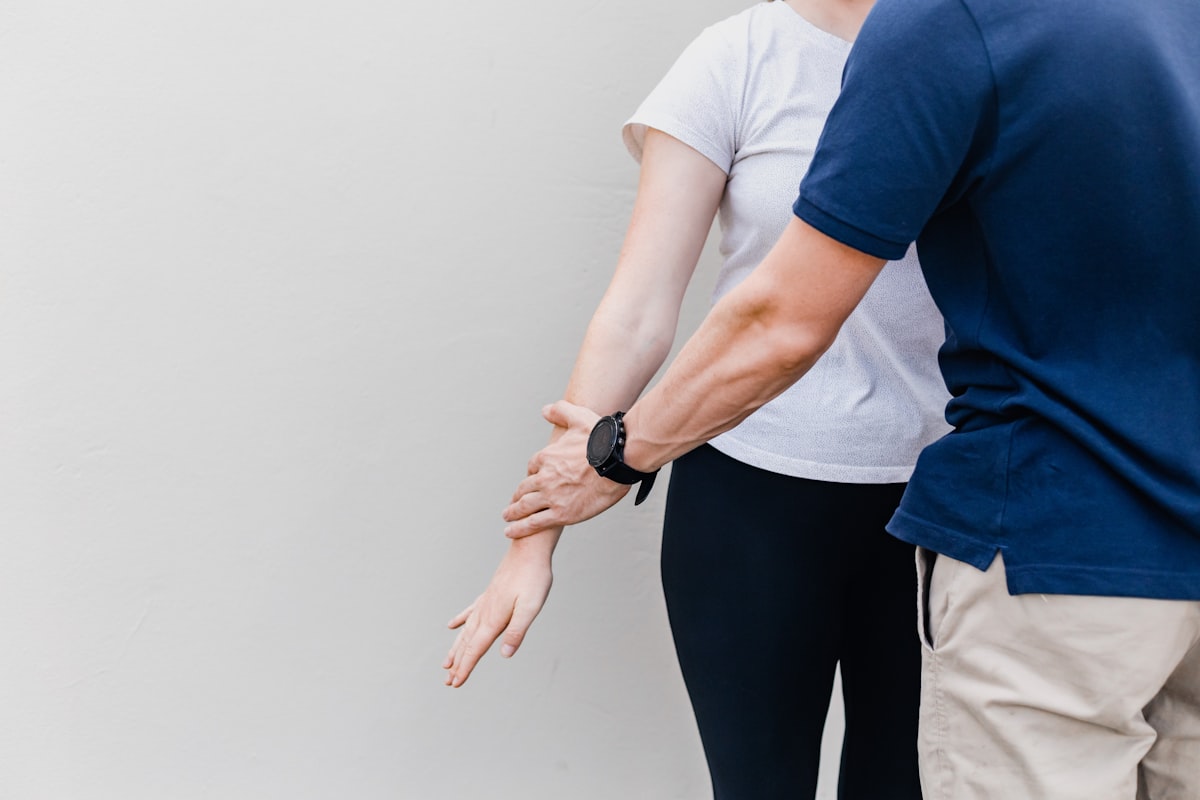
Comprehensive Support for Your Recovery
Mobilityrehabhints provides detailed, evidence-based information about rehabilitation and mobility improvement. Our editorial content is created by experienced professionals in physical therapy and rehabilitation medicine.
Expert-Written Articles
Detailed guides on therapeutic exercises, movement biomechanics, and safe rehabilitation protocols backed by professional expertise.
Personalized Approach
Information emphasizing individual assessment and adaptation, recognizing that each person's mobility needs and recovery timeline are unique.
Practical, Actionable Guidance
Concrete strategies for core strengthening, flexibility improvement, tension relief, and safe movement techniques applicable to daily life.
Your Rehabilitation Journey
Initial Assessment
Begin with a thorough physical assessment to understand your current mobility level, movement limitations, and specific recovery goals. This foundation guides your entire rehabilitation pathway.
Customized Program Design
Receive guidance on building an individual program incorporating therapeutic exercises, remedial gymnastics, and stretching routines tailored to your needs and safety requirements.
Progressive Implementation
Follow guided movement protocols with emphasis on proper biomechanics and safe execution. Gradual progression ensures steady improvement in strength, flexibility, balance, and coordination.
Sustained Improvement
Maintain long-term recovery through consistent practice and adaptation. Understand principles of prevention, tension relief, and healthy posture to support ongoing joint mobility and functional capacity.
Reader Testimonials & Success Stories
"The articles on core strengthening and proper movement biomechanics genuinely transformed my daily routine. I've experienced significant improvement in my joint mobility and balance after following the therapeutic exercise guidelines consistently. The expert guidance has helped me understand safe movement practices, and I feel more confident in my physical capabilities now."
Margaret Thompson
Edinburgh, United Kingdom
"What impressed me most was the emphasis on personalized approach and evidence-based methods. The detailed guidance on flexibility improvement and tension relief has helped me manage discomfort more effectively. I appreciate how the articles explain the biomechanics behind each exercise, making me feel informed and in control of my recovery process."
James Mitchell
Glasgow, United Kingdom
"As someone working to rebuild strength after injury, I found the remedial gymnastics and kinesiotherapy resources invaluable. The content covers everything from initial assessment principles to progressive exercise programs. The qualified specialist insights have given me confidence that I'm following safe, evidence-backed recovery methods."
Sarah Henderson
Manchester, United Kingdom
Frequently Asked Questions
Physical therapy and rehabilitation are related but distinct. Physical therapy focuses on treating injuries and improving movement through therapeutic exercises and kinesiotherapy. Rehabilitation is the broader recovery process that includes physical therapy, adaptation strategies, and comprehensive strengthening programs. Both emphasize safe movement, evidence-based approaches, and personalized assessment to support your recovery journey.
Recovery timelines vary significantly based on individual circumstances, the nature of your condition, and consistency with therapeutic exercises. Some people notice improvements in flexibility and range of motion within weeks of beginning remedial gymnastics. Core strengthening results typically emerge over months of progressive training. The key is following evidence-based protocols, maintaining proper biomechanics in movement, and working within your personal capacity. A qualified specialist can help establish realistic expectations for your specific situation.
Educational content provides valuable knowledge about rehabilitation principles, therapeutic exercises, and safe movement techniques. However, an in-person physical assessment is important because it allows a qualified specialist to evaluate your specific condition, proper biomechanics during movement, and design an individual program tailored to your needs. Many people benefit from combining online educational resources with professional consultation for initial assessment and periodic evaluation of progress.
Yes, properly designed therapeutic exercises and stretching protocols can effectively address muscle tension and reduce muscle spasms. Joint gymnastics, kinesiotherapy, and targeted stretching improve flexibility and joint mobility while reducing discomfort. However, the effectiveness depends on proper technique, consistency, and appropriate exercise selection for your condition. It's important to understand the biomechanics of movement and follow safe execution guidelines to maximize benefits and prevent secondary injury.
Pain during exercise indicates improper technique, excessive intensity, or a condition requiring professional evaluation. Recovery should involve safe movement practices that don't cause sharp or persistent pain. Some mild discomfort during strengthening is normal, but this differs from pain that signals potential injury. Immediately modify the movement, reduce intensity, or discontinue that exercise. Consult a qualified specialist to assess your technique, adjust your individual program, and ensure you're following evidence-based protocols appropriate for your recovery stage.
Discover Our Expert Rehabilitation Content
Explore detailed articles on therapeutic exercises, movement biomechanics, core strengthening, and evidence-based recovery strategies from our editorial team of rehabilitation specialists.